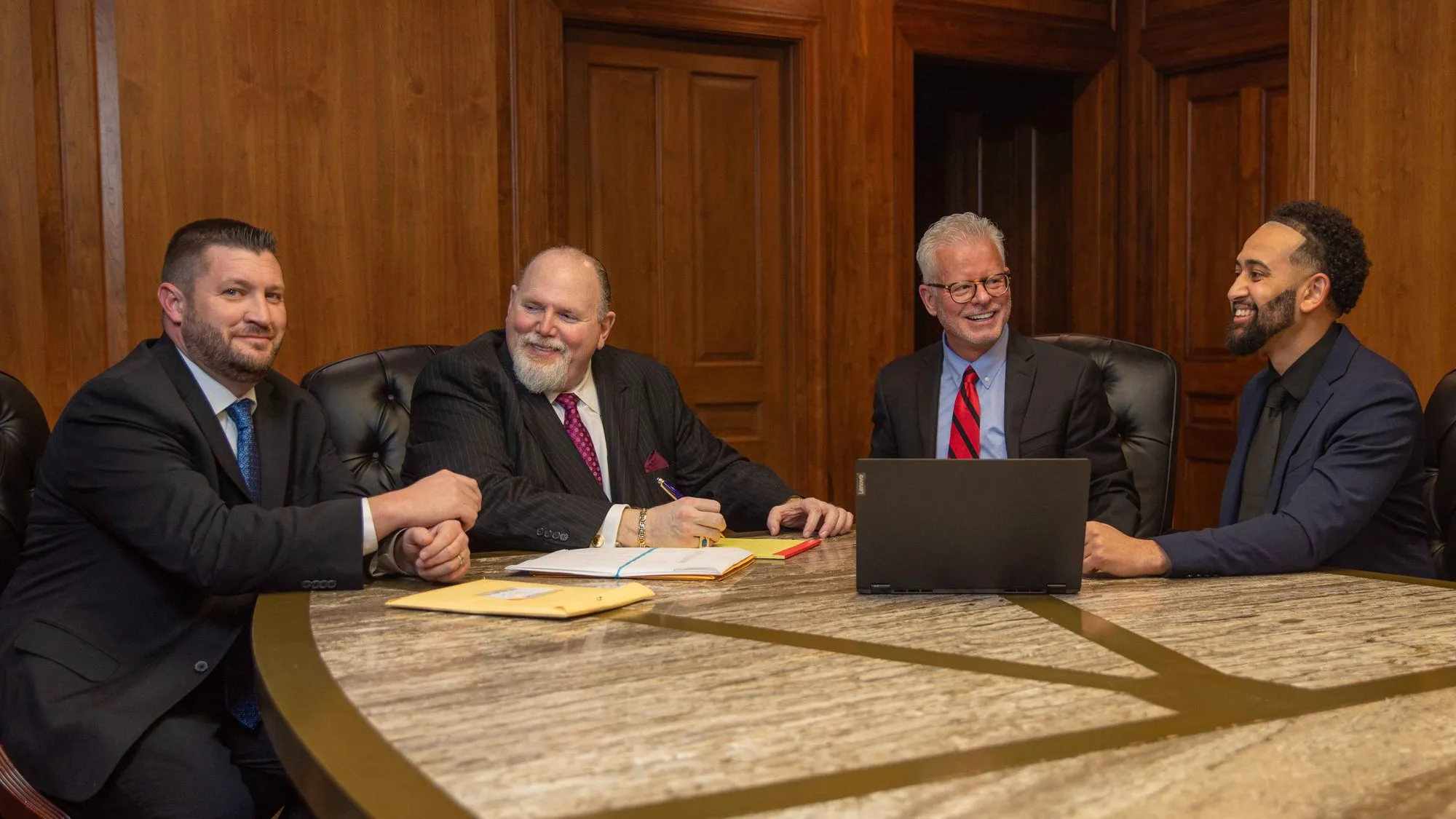
The experienced personal injury attorneys at Jeff Martin Law are well-versed in navigating the complex legal landscape that surrounds prison sexual assault cases in the state of Oklahoma. With a deep understanding of both state and federal laws that protect the rights of individuals in custody, the team is prepared to offer comprehensive legal assistance.
We commence by conducting a thorough investigation into the allegations, working meticulously to gather evidence that supports the victim’s claims. This includes interviewing witnesses, securing surveillance footage if available, and obtaining medical reports that document the injuries sustained because of the assault.
Understanding the sensitive nature of these cases, Jeff Martin Law’s attorneys approach each client with empathy, ensuring that their legal strategy is tailored to meet the unique needs and objectives of the individual. We are relentless in pursuing justice, using our expertise to hold the responsible parties accountable, which may include not only the perpetrator but also the institution if negligence contributed to the occurrence of the assault.
Our firm’s attorneys are adept at negotiating settlements that reflect the emotional and physical trauma our clients have endured, but we are also prepared to take the case to trial if necessary. Throughout the legal process, we maintain open and transparent communication, providing regular updates and empowering our clients with the knowledge to make informed decisions about your case. With Jeff Martin Law, victims of prison sexual assault in Oklahoma have a formidable ally in their corner, dedicated to securing the maximum compensation and justice you deserve.
What Is Considered Prison Sexual Assault?
Prison sexual assault, unfortunately, encompasses a wide spectrum of unwanted sexual activities that tragically occur within the walls of correctional facilities. These distressing acts can include, but are not limited to, rape, unwelcome sexual touching, persistent sexual harassment, and disturbing threats of a sexual nature. It is crucial to recognize that the power dynamics inherent in prison environments often magnify the vulnerability of inmates, creating significant barriers for them to report incidents or seek the necessary protection.
In response to the alarming prevalence of sexual violence within correctional settings, federal law took a decisive step with the enactment of the Prison Rape Elimination Act (PREA) in 2003. This legislation serves as a firm acknowledgment of the grave impact of sexual abuse in prisons and demands a policy of zero tolerance towards such reprehensible behavior.
Under the provisions of the PREA, correctional facilities are mandated to establish robust preventive measures, provide multiple avenues for reporting incidents, and ensure that victims have access to essential medical and mental health services.
Within the state of Oklahoma, victims of prison sexual assault are afforded the legal right to pursue civil litigation against those responsible for their traumatic experiences. Additionally, in certain circumstances where negligence on the part of the correctional facility facilitated the abuse, legal action can be taken against the institution itself. This multifaceted approach aims to address the complexities of prison sexual assault and strive towards justice for the survivors.
Is There A Statute Of Limitations For Filing A Prison Sexual Assault Personal Injury Claim In Oklahoma?
In the state of Oklahoma, the timeline for filing a prison sexual assault personal injury claim is bound by statutes of limitations, which are crucial for victims to understand. Generally, the statute of limitations sets a deadline by which a lawsuit must be filed following an incident.
For personal injury cases, including those involving prison sexual assault, Oklahoma law stipulates that legal action must be initiated within two years from the date of the occurrence of the assault. Failure to file a claim within this period may result in the loss of the right to seek compensation through the courts.
It is important to note that specific circumstances surrounding a case can influence the applicable statute of limitations. For instance, exceptions may exist that could potentially extend the filing deadline. Such exceptions might include situations where the victim was under a legal disability, such as being of unsound mind at the time of the assault. Given these potential variations, it is imperative for survivors of prison sexual assault to consult with an experienced personal injury attorney who can provide guidance on the specific time limits applicable to their case.
By understanding the nuances of Oklahoma’s legal requirements regarding statutes of limitations, victims can ensure that their rights are protected. The knowledgeable attorneys at Jeff Martin Law are equipped to assist survivors in navigating these complex legal waters, helping to secure the justice and compensation they are rightfully due, while adhering to the critical timelines set forth by law. It’s crucial for victims to have the necessary support and legal expertise to navigate these challenging circumstances, ensuring their voices are heard and their rights upheld.
Contact Us ASAP – Our dedicated team of experienced Prison Sexual Assault Personal Injury Attorneys is here to help you receive the maximum compensation that you deserve. With a deep understanding of Oklahoma’s laws and a commitment to advocating for our clients, we will fight tirelessly to protect your rights and secure the best possible outcome for your case. Don’t delay, and let us help you reclaim your peace of mind.
FAQs
Yes, suing a prison or correctional facility for failing to protect you from sexual assault is a possibility under certain circumstances. This form of legal action typically falls under the category of civil litigation and can be pursued when evidence suggests that the facility's negligence or failure to adhere to established security protocols contributed to the occurrence of sexual assault. In legal terms, this is referred to as institutional negligence.
Victims pursuing such lawsuits must demonstrate that the prison or correctional facility had a duty to protect them, breached that duty through negligence or omission, and that this breach directly led to the harm suffered. This can include failure to properly monitor inmates, inadequate staff training, insufficient reporting procedures, or not acting upon previous complaints of sexual violence within the institution.
Successful legal actions against prisons can result in victims receiving compensation for their suffering, which may cover medical expenses, emotional distress, and other related damages. Additionally, these lawsuits serve the critical function of pushing for systemic changes within correctional facilities, compelling them to implement stricter safety measures and adhere to the legal obligations designed to protect inmates from sexual violence.
It is important to note that litigation against correctional facilities can be complex and challenging, given the legal protections often afforded to governmental entities. Therefore, having the support of a skilled attorney who understands the intricacies of the law surrounding prison sexual assault and institutional negligence is crucial. An experienced attorney can help navigate the legal hurdles, gather necessary evidence, and build a compelling case on your behalf.
Ultimately, suing a prison or correctional facility is not just about seeking individual justice; it's about highlighting and rectifying systemic failures that allow such abuses to occur. It sends a powerful message that the rights of all individuals, including those who are incarcerated, must be respected and protected.
In a prison sexual assault personal injury claim, victims may pursue several types of damages to compensate for the harms they have suffered. The categories of damages typically include compensatory, punitive, and, in some jurisdictions, nominal damages.
Compensatory damages are intended to make the victim whole again, as far as monetarily possible. These can cover a wide range of losses, both economic and non-economic. Economic damages might include medical expenses related to the assault, such as emergency treatment, ongoing therapy, and medication costs. Lost wages, if the victim was participating in a work-release program at the time of the assault or if their ability to earn income is affected in the aftermath, may also be recoverable. Non-economic damages cover pain and suffering, emotional distress, loss of enjoyment of life, and loss of consortium.
Punitive damages are awarded not as compensation to the victim, but as a punishment to the perpetrator or a negligent institution, and to serve as a deterrent against future misconduct. Not all jurisdictions allow for punitive damages in personal injury claims, including those stemming from prison sexual assault, so it's crucial to consult with legal representation familiar with the specific laws in the relevant area.
Nominal damages may be pursued in cases where the victim's rights were violated, but tangible, compensatory damages are difficult to quantify. While nominal damages usually involve a small amount of money, their award can symbolically affirm the victim's rights and the wrongdoings of the perpetrator or institution.
Each case of prison sexual assault presents a unique set of circumstances, and the types of damages pursued will reflect the specific harms and losses experienced by the victim. Engaging with a knowledgeable attorney is essential in determining the most appropriate damages to seek, based on the facts of the case and the applicable law.
The goal of pursuing a personal injury claim in the context of prison sexual assault is not only to secure compensation for the victim but also to effectuate change by holding offenders and negligent institutions accountable, thereby enhancing the safety and rights of all inmates.
To establish a strong prison sexual assault claim, the collection and presentation of solid evidence are crucial. This evidence is essential not only for proving that the assault occurred but also for demonstrating the extent of the harm suffered and the negligence of the institution.
Evidence in such cases might include:
- Medical records and reports: Documentation of injuries sustained during the assault, as well as any subsequent medical treatments, can be pivotal. This may include emergency room records, therapy session notes, and prescriptions for medications related to physical or psychological trauma resulting from the assault.
- Eyewitness testimony: Statements from individuals who either witnessed the assault or were informed about it shortly after it occurred can strengthen a claim. This may include testimony from other inmates, prison staff, or medical personnel who treated the victim.
- Video surveillance footage: Many correctional facilities are equipped with surveillance systems. Footage capturing the incident or movements of the involved parties before and after the alleged assault can be invaluable in establishing facts.
- Documentary evidence: This may include any written records that highlight the facility's negligence or the perpetrator's misconduct. For example, complaints or reports of similar incidents within the institution can underscore a pattern of neglect or abuse. Documentation of staff assignments and logs can also reveal lapses in monitoring or security that could have contributed to the occurrence of the assault.
- Expert testimony: In some cases, testimony from medical experts, psychologists, or correctional facility operation specialists can help clarify the extent of the victim's injuries, the psychological impact of the assault, and how the institution's negligence permitted the abuse.
- Personal documentation: Victims are encouraged to document their own experiences, including any injuries, how the assault has affected them psychologically and emotionally, and any interactions with prison staff regarding the assault. This can include keeping a journal or writing detailed descriptions of events.
Properly gathering and presenting this evidence requires thoroughness and adherence to legal standards, which underscores the importance of involvement by legal professionals experienced in this area.
An experienced attorney will understand how to obtain and leverage this evidence effectively, ensuring that it meets the criteria necessary for a successful legal claim. Additionally, an attorney can help in navigating the complexities of litigation against correctional facilities and governmental entities, maximizing the chance for a positive outcome.
Ultimately, the evidence gathered serves a dual purpose: it is instrumental in securing justice and compensation for the victim and acts as a deterrent against future negligence or misconduct by individuals and institutions alike.
Suing individual staff members or other inmates involved in a prison sexual assault is a complex legal matter. However, it is certainly possible under specific circumstances. The ability to pursue legal action against individuals, rather than the institution, depends largely on the particulars of the case and the jurisdiction in which the incident occurred.
When considering legal action against staff members, the key factor is proving that the individual's actions or negligence directly contributed to the assault. This can include situations where a staff member perpetrated the assault directly or failed to take reasonable steps to prevent it, despite having knowledge of the risk. Additionally, claims against staff may also focus on a failure to provide adequate medical care or protect the victim post-assault, contributing to further harm.
In cases involving other inmates as the perpetrators, the path to litigation can be more convoluted. Successfully suing another inmate often hinges on demonstrating that the institution's negligence in maintaining safety protocols, such as adequate supervision and security measures, facilitated the assault. It's crucial to prove that the environment created or neglected by the institution played a significant role in enabling the assault to occur.
Litigation against individual actors requires a nuanced understanding of civil rights laws and the Prison Litigation Reform Act (PLRA), among other legal frameworks. The PLRA imposes several requirements on inmates seeking to file lawsuits about conditions in U.S. federal prisons, including the exhaustion of all available administrative remedies before a lawsuit can be filed in court. This means that before pursuing court action, the victim must first use the prison's complaint systems to seek resolution.
The decision to sue individuals involved in a prison sexual assault should not be taken lightly. It necessitates careful legal strategy and a comprehensive analysis of the incident's circumstances, the evidence available, and the relevant legal standards. Consulting with an attorney experienced in prison law and civil rights is essential to navigating these challenges. Such legal professionals can offer valuable insight into the viability of a lawsuit against individual staff members or inmates, the potential challenges that might arise, and the strategies for overcoming them.
In sum, while pursuing claims against individual staff members or inmates presents distinct challenges, it remains a viable avenue for seeking justice and accountability for victims of prison sexual assault. Through careful legal analysis and strategic litigation, it is possible to hold individuals accountable for their actions or omissions that contribute to such devastating incidents.
Pursuing a prison sexual assault claim involves navigating a range of formidable obstacles, both legal and institutional. One of the primary challenges is the inherent difficulty in gathering concrete evidence within a correctional setting.
The closed environment, coupled with potential intimidation or retaliation from staff or inmates, can significantly hinder the victim's ability to secure witness testimony or obtain photographic documentation of their injuries. Additionally, surveillance footage, which can play a crucial role in substantiating the claim, might be inaccessible or non-existent due to poor maintenance or deliberate tampering.
Another major hurdle is the Prison Litigation Reform Act (PLRA), which imposes stringent prerequisites on inmates' ability to file federal lawsuits. The requirement that all administrative remedies be exhausted before proceeding to court can be a complex and time-consuming process, often discouraging victims from pursuing their claims.
Furthermore, victims may encounter skepticism or outright disbelief from authorities, partly due to prevailing stigmas surrounding prisoners. This bias can influence the treatment of their claims from the outset, affecting everything from the initial investigation to the consideration given by court officials.
Victims also face the emotional and psychological toll of revisiting traumatic experiences during the litigation process. The prospect of public hearings and cross-examination can be a significant deterrent, especially considering the possibility of retribution within the prison.
Despite these challenges, it’s important to recognize that successful litigation can not only secure justice and compensation for the victim but also prompt institutional changes aimed at preventing future incidents. Therefore, overcoming these obstacles, while daunting, is a vital endeavor for ensuring both individual justice and systemic reform.
Ensuring the confidentiality and protection of a victim's identity in a prison sexual assault claim encompasses both legal and procedural safeguards. However, the extent to which an individual's identity can be shielded from the public and other inmates varies depending on the jurisdiction and the specifics of the case. Generally, courts recognize the sensitivity of such allegations and may implement measures like sealing certain documents or using pseudonyms in public filings to preserve anonymity.
Yet, it's important to note that complete anonymity throughout the entire legal process could be challenging to maintain, especially during proceedings that may involve testimony or the disclosure of certain documents necessary for the case. Additionally, the prison environment itself poses unique challenges in safeguarding a victim’s identity due to the close quarters and communal living conditions.
Victims concerned about their safety and the protection of their identity should discuss their options with their legal counsel. Such discussions can lead to strategic decisions about how to proceed with the claim while minimizing the risk of retaliation or harm. Legal representatives can also advocate for protective orders or other court interventions designed to limit unnecessary exposure of the victim's identity to other inmates or staff members who do not need access to this information.
In conclusion, while legal mechanisms exist to protect the identity of victims filing prison sexual assault claims, their effectiveness is determined by the specifics of each case and the discretionary powers of the court. It underscores the necessity of experienced legal guidance to navigate these complexities and advocate for the victim’s best interests throughout the litigation process.