Fill out the form below to get started with a FREE consultation.
Yes. When abuse or neglect harms a resident, Oklahoma law lets the resident or their family file a claim for compensation, and pursue a wrongful death claim if a loved one has died. These cases generally must be filed within two years of the injury, though some have shorter deadlines. The Law Offices of Jeff Martin review nursing home abuse cases for free and handle them on contingency, so you pay nothing unless we win. Call (918) 728-8888 any time.
We represent nursing home residents and their families throughout Oklahoma who have been harmed by abuse or neglect. As an Oklahoma personal injury firm, the Law Offices of Jeff Martin serve the Tulsa area and communities across eastern Oklahoma and statewide. If your loved one cannot travel or you need us at the bedside, we come to you.
Putting a loved one in a nursing home or assisted living facility is never an easy decision. Families trust these facilities to provide safe, consistent care, and when that care falls short, residents can suffer serious injuries and lasting harm to their health.
Nursing home abuse and neglect may involve physical abuse, poor supervision, failure to provide medical care, unsafe facility conditions, sexual abuse, repeated falls, dehydration, malnutrition, or untreated bed sores. Families often sense that something is wrong before they know exactly what happened. When neglect goes unaddressed the consequences can turn fatal, and families who have lost a loved one may have grounds for a nursing home wrongful death claim.
First, make sure your loved one is safe and report any urgent concern to the facility and to Oklahoma Adult Protective Services. Write down what you saw, take photos of any injuries or unsafe conditions, and keep copies of medical records and care plans. Then talk with a nursing home abuse attorney before you sign anything from the facility or its insurer, because early evidence often makes or breaks a case. The Law Offices of Jeff Martin offer a free, confidential case review and can begin investigating right away.
Call (918) 728-8888.
No Fee Unless We Win!
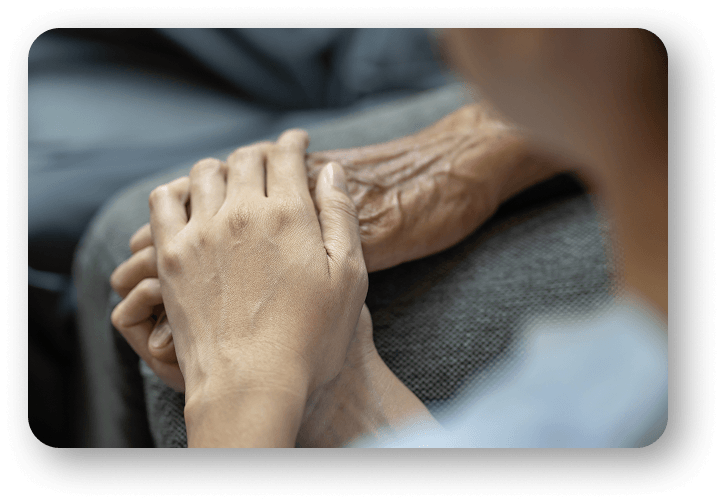
Bed sores, also called pressure ulcers, develop when a resident is left in one position too long without proper repositioning, hygiene, or medical attention, and they can quickly become infected when they go untreated. In most cases they are preventable. When a nursing home fails to move a resident regularly, keep them clean, or respond to early signs of skin breakdown, the facility may be responsible for the harm that follows. Learn more on our nursing home bed sore injury page.
Nursing home abuse and neglect can take many forms. Some cases involve intentional harm, while others happen because a facility is understaffed, poorly managed, or failing to follow proper care procedures.
Common examples include:
Even one serious injury can be a sign that a resident is not receiving the care they need. Repeated injuries, worsening health, or vague explanations from staff should be taken seriously.
Common signs of nursing home abuse or neglect include bed sores, frequent falls, unexplained bruises or broken bones, sudden weight loss, dehydration, poor hygiene, and untreated infections. Behavioral changes matter too, such as fearfulness around certain staff, withdrawal, or repeated hospital visits. If you notice any of these, write down what you see, take photos where you can, and contact a nursing home abuse attorney to find out whether you have a claim.
The signs of nursing home abuse or neglect are not always obvious. Some residents may be afraid to speak up, unable to explain what happened, or dependent on the same staff members who are harming or neglecting them.
Warning signs may include:
If something feels wrong, trust your instincts. Families often notice changes before the full truth is clear.
Despite the amount of time and research spent to find the best nursing home solution for your loved one, abuse and neglect are not always preventable. But when you notice a red flag and suspect that your elderly loved one is being mistreated, don’t wait to seek help. No one deserves to be a victim of abuse, and perpetrators should be held accountable to prevent future harm to others. Work with experienced attorneys to find out if you have a claim for compensation.
You are not required to hire a lawyer, but these cases are very hard to win on your own. Facilities and their insurers have legal teams whose job is to limit what they pay, and proving neglect takes medical records, staffing data, and independent expert review that most families cannot gather alone. An attorney levels that field, and because nursing home cases run on contingency, it costs nothing to have yours reviewed. The Law Offices of Jeff Martin offer a free consultation and can come to you. Call (918) 728-8888.
Elder abuse attorneys provide legal support for individuals who have experienced abuse or neglect in long-term care facilities. Here’s how they can help:
Legal Advice and Evaluation: A personal injury lawyer can assess your situation and provide legal advice regarding your rights and potential legal claims. They can help determine if there is a case of abuse or neglect and thoroughly explain the legal options available to you.
Gathering Documentation: Our abuse attorneys can assist in obtaining and organizing relevant documentation, such as medical records, incident reports, staff records, and any other evidence that supports your claim. They ensure that all necessary information is properly gathered and compiled to support your case.
Seeking Compensation: Elder care attorneys aim to secure financial compensation for abuse victims and/or their families. This compensation may include medical expenses, pain and suffering, emotional distress, rehabilitation costs, and other damages resulting from the abuse or neglect. When abuse or neglect leads to a resident’s death, families may also pursue a nursing home wrongful death claim.
Filing Lawsuits and Representing You in Court: If a settlement cannot be reached, an attorney can file a lawsuit and represent you throughout the litigation process. They will handle all the legal aspects, including drafting legal documents, presenting evidence, and arguing your case in court.
Nursing home abuse lawyers are a crucial ally if you or your loved ones have experienced abuse or neglect in an assisted living facility. By seeking their assistance, you can take steps towards obtaining justice, holding negligent parties accountable, and ensuring the safety and well-being of yourself or your loved one.
Nursing home abuse and neglect can take many forms, including physical abuse, emotional abuse, medical negligence, financial exploitation, and basic neglect. In some cases, warning signs may involve unexplained injuries, sudden emotional changes, poor hygiene, dehydration, medication errors, bedsores, or unusual financial activity.
Physical abuse in a nursing home may involve hitting, pushing, rough handling, improper restraints, or any other use of force that causes pain, injury, or fear. Unexplained bruises, broken bones, repeated falls, and sudden behavior changes may all be warning signs that something is wrong.
Emotional abuse may include threats, humiliation, intimidation, isolation, yelling, or other behavior that causes mental distress. A resident who becomes withdrawn, fearful, anxious, or unusually quiet may be showing signs of emotional abuse.
Medical negligence in a nursing home may involve medication errors, failure to monitor a resident, delayed treatment, poor infection control, failure to respond to emergencies, or not following a doctor’s care plan. These failures can lead to serious complications and may place a resident’s health at risk.
Financial abuse may happen when someone improperly uses a resident’s money, property, benefits, or financial accounts without permission. Warning signs can include unexplained withdrawals, missing belongings, sudden account changes, or unusual signatures on financial documents.
Neglect happens when a nursing home fails to provide the care a resident reasonably needs. This may include failing to provide food, water, hygiene, supervision, medication, mobility assistance, or proper medical attention. Neglect can lead to serious harm, especially for elderly residents who depend on staff for daily care.
If you suspect nursing home abuse or neglect, take your concerns seriously. Document what you have seen, gather records if possible, report immediate dangers, and seek legal guidance right away. Acting quickly can help protect your loved one and preserve important evidence.
Depending on the facts, liability may involve individual staff members, administrators, the nursing home facility, management companies, or other parties responsible for a resident’s care and safety. A full investigation is often needed to determine who should be held accountable.
Oklahoma law places time limits on filing claims related to nursing home abuse or neglect. Because deadlines depend on the facts of the case and missing them can affect your right to recover damages, it is important to speak with an attorney as soon as possible.