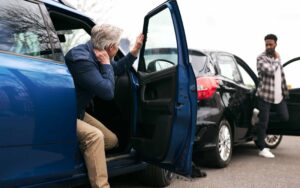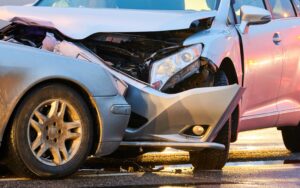
If you’re wondering what to do after a car accident in Tulsa, start by checking for injuries, calling 911 when needed, and moving to a safe location if possible. Then document the scene, exchange information with the other driver, seek medical care, and notify your insurance company. These steps can protect your safety and help you handle a potential injury or property damage claim under Oklahoma law.
The Law Offices of Jeff Martin represents people injured in car accidents throughout Tulsa and across Oklahoma. Knowing what to do in the hours and days after a crash can help you avoid common mistakes while you focus on recovery.
What should you do immediately after a car accident in Tulsa?
Your first priority is safety, not determining who caused the crash or discussing payment. Once you’re out of immediate danger, follow these steps in order.
1. Check for injuries and call 911
Check yourself, your passengers, and anyone else involved for injuries. Call 911 if someone is hurt, a driver appears impaired, traffic is blocked dangerously, or the situation requires emergency assistance.
If someone has a serious injury, avoid moving them unless there is an immediate danger that makes movement necessary. Follow the emergency dispatcher’s instructions while waiting for help.
Even if nobody appears seriously injured, consider contacting law enforcement to report the collision. An official report can provide a record of the incident that may be useful when an insurance company investigates what happened.
2. Move to a safe location if possible
A collision on I-44, US-169, the Broken Arrow Expressway or any busy Tulsa road can create another hazard for approaching traffic. If your vehicle is drivable and you can move it safely, get out of active traffic and turn on your hazard lights.
If the vehicles cannot be moved safely, stay in a protected location away from traffic when possible and wait for assistance. Do not put yourself at risk to photograph the scene or inspect vehicle damage.
3. Exchange information with the other driver
Once everyone is safe, exchange the information needed for insurance and follow-up communication. Collect:
- Full names and contact information
- Driver’s license information
- Insurance company and policy details
- Vehicle make, model, and license plate number
- The registered vehicle owner’s information, if different from the driver
Be polite and stick to the facts. Avoid arguing about fault or agreeing to pay for damage before the circumstances have been properly evaluated.
If the other driver refuses to cooperate or leaves the scene, provide the information you have to law enforcement. Do not chase the vehicle.
4. Photograph the accident scene
Take photographs or videos only when it is safe to do so. Capture the vehicles from several angles, visible damage, traffic signals, road markings, debris, skid marks, and the surrounding roadway.
If weather, lighting, or a road hazard may have contributed to the collision, document those conditions too. Record the date, approximate time, and location, including the nearest intersection or recognizable landmark.
These details can be especially helpful when drivers disagree about how a crash occurred. Keep the original files and avoid editing the images.
5. Get witness information and the police report details
If anyone saw the collision, ask for their name and contact information. An independent witness may help clarify what happened when the drivers provide different accounts.
If officers respond, ask how to obtain the collision report and write down any report or incident number provided. The report may contain driver information, witness details, and the officer’s observations.
A police report does not automatically determine legal responsibility. Insurance companies and courts may consider it alongside photographs, statements, medical records, and other evidence.
What should you do after leaving the accident scene?
The steps you take after leaving the scene can matter just as much as what you do immediately after the collision. Once you’re somewhere safe, focus on medical care, recordkeeping, and insurance notifications.
6. Get medical attention, even if symptoms seem minor
Some injuries are not immediately obvious after a crash. Neck pain, headaches, back pain, dizziness, and other symptoms may become noticeable later.
Seek emergency care for serious or concerning symptoms. Otherwise, arrange a medical evaluation when appropriate and follow the advice of your healthcare provider.
Tell the provider about the collision and describe your symptoms accurately. Keep copies of medical records, treatment instructions, prescriptions, and bills. If symptoms develop after your initial evaluation, seek further care rather than assuming they will resolve on their own.
Medical documentation can help establish what injuries you sustained and how your condition changed after the accident. Our guide to how medical records affect a personal injury claim explains why those records matter.
7. Notify your insurance company
Review your policy and report the accident within the timeframe it requires. Provide accurate information about the collision and cooperate with reasonable requests related to your coverage.
Your own insurer may need information to evaluate collision coverage, medical payments coverage, uninsured motorist coverage, or other benefits available under your policy. The coverage that applies depends on your policy and the circumstances of the crash.
You can report the accident without speculating about fault or making assumptions about injuries that have not been evaluated. If the other driver’s insurer contacts you, you can ask what information it needs and take time to understand a request before responding.
8. Keep records of expenses and missed work
A car accident may create costs beyond vehicle repairs and immediate medical treatment. Start a file for accident-related expenses as they arise.
Keep records of:
- Medical bills and prescription costs
- Vehicle repair estimates and invoices
- Towing and rental car expenses
- Pay stubs and documentation of missed work
- Receipts for other reasonable accident-related expenses
- Insurance claim numbers, emails, letters, and phone calls
If your injuries affect your ability to perform your job, keep track of the dates you missed and any work restrictions your provider recommends. Accurate records make it easier to assess the financial effects of the collision. Our documentation guide can help you keep it all organized.
9. Be careful before giving statements or accepting a settlement
An insurance adjuster may contact you soon after the crash to ask questions or discuss a payment. You should be truthful, but you do not need to guess about details you cannot remember or make assumptions about the extent of your injuries.
Before giving a recorded statement to the other driver’s insurer, consider getting legal advice, particularly if anyone was hurt or fault is disputed. You should also understand what a settlement covers before accepting it.
A settlement may require you to release claims related to the accident. If your medical condition is still developing, an early payment may not account for future treatment or other losses. Review the terms carefully before signing. If you already have an offer, you can send it to us through our settlement review request.
For more information about communication with an insurer, see our guide on whether you should talk to the other insurance company after an accident.
What if the other driver was at fault?
If another driver’s negligence caused the collision, you may be able to seek compensation for losses connected to your injuries and property damage. However, responsibility must be evaluated using the available evidence and applicable Oklahoma law.
Oklahoma follows a modified comparative negligence rule under 23 O.S. § 13. In general, an injured person may recover damages if their negligence is not greater than the negligence of the person or persons against whom recovery is sought. Any damages awarded are reduced according to the injured person’s share of negligence.
For example, if a claim is valued at $20,000 and the injured person is found 20% responsible, the award would be reduced by $4,000 to $16,000, assuming the full claim value is established and no other legal issue changes the result.
This is why it is important to preserve evidence instead of relying solely on either driver’s account. Photos, witness information, the collision report, and medical documentation may all help clarify how the crash occurred and what losses followed.
How long do you have to file a car accident lawsuit in Oklahoma?
For most Oklahoma car accident personal injury lawsuits, the general filing deadline is two years from the date the claim accrues, under 12 O.S. § 95(A)(3). Different rules or exceptions may apply depending on the circumstances, including claims involving government entities or legally recognized extensions.
An insurance claim is not the same as filing a lawsuit, and negotiating with an insurer does not necessarily stop the legal deadline from running. If anyone was hurt, identify the applicable deadline early rather than waiting until settlement discussions fail.
Read our explanation of the Oklahoma car accident statute of limitations for more information about filing deadlines and potential exceptions.
When should you contact a Tulsa car accident lawyer?
You may want to speak with an attorney if the crash caused significant injuries, the other driver disputes responsibility, the insurer questions your claim, or your losses may extend beyond immediate medical bills and vehicle repairs.
Legal guidance can help you understand what evidence to preserve, which insurance coverages may apply, and what deadlines could affect your options. It can also help you evaluate a proposed settlement before you agree to release your claims.
The Law Offices of Jeff Martin represents injured people in car accident cases in Tulsa and throughout Oklahoma. The firm can review the circumstances of your crash and explain potential next steps.
For more information about the firm’s services, visit our Tulsa car accident lawyers page.
Talk to the Law Offices of Jeff Martin about your Tulsa car accident
A car accident can leave you dealing with medical appointments, repair costs, insurance questions, and uncertainty about what happens next. Keeping accurate records and getting appropriate guidance can help you make informed decisions.
The Law Offices of Jeff Martin is based in Tulsa and represents people after car accidents in Broken Arrow, Owasso, Bixby, Jenks, Sand Springs, Sapulpa, Claremore and throughout Oklahoma. Case reviews are free, and there’s no fee unless we win.
Call 918-728-8888, with calls answered 24/7, or request a free case review.
Frequently asked questions
What should I do first after a car accident in Tulsa?
Check for injuries and call 911 when emergency assistance is needed. Move to a safe location if possible, exchange information, document the scene, and follow up with medical care and your insurer.
Do I have to call the police after a car accident in Tulsa?
You should contact law enforcement when someone is injured, a person has died, or the circumstances require police assistance. Oklahoma has statutory accident-reporting requirements, and additional reporting obligations may apply depending on the collision. If you’re unsure whether a report is required, contact law enforcement for guidance.
Should I see a doctor if I feel fine after a car accident?
Consider a medical evaluation even if you do not notice serious symptoms immediately. Some injuries become apparent later. Seek emergency care for serious symptoms, and arrange follow-up care if new symptoms develop.
Can I still file a claim if I was partly at fault?
Possibly. Oklahoma’s modified comparative negligence rule generally allows recovery when your negligence is not greater than the negligence of the party or parties from whom you seek recovery. Any award is reduced by your percentage of negligence, and the specific facts matter.
Should I accept the first insurance settlement offer?
Not without understanding what the offer covers and whether it adequately accounts for your losses. Before signing a settlement or release, consider your medical needs, financial losses, and whether you need legal advice about the terms.
This post is for general information and isn’t legal advice.