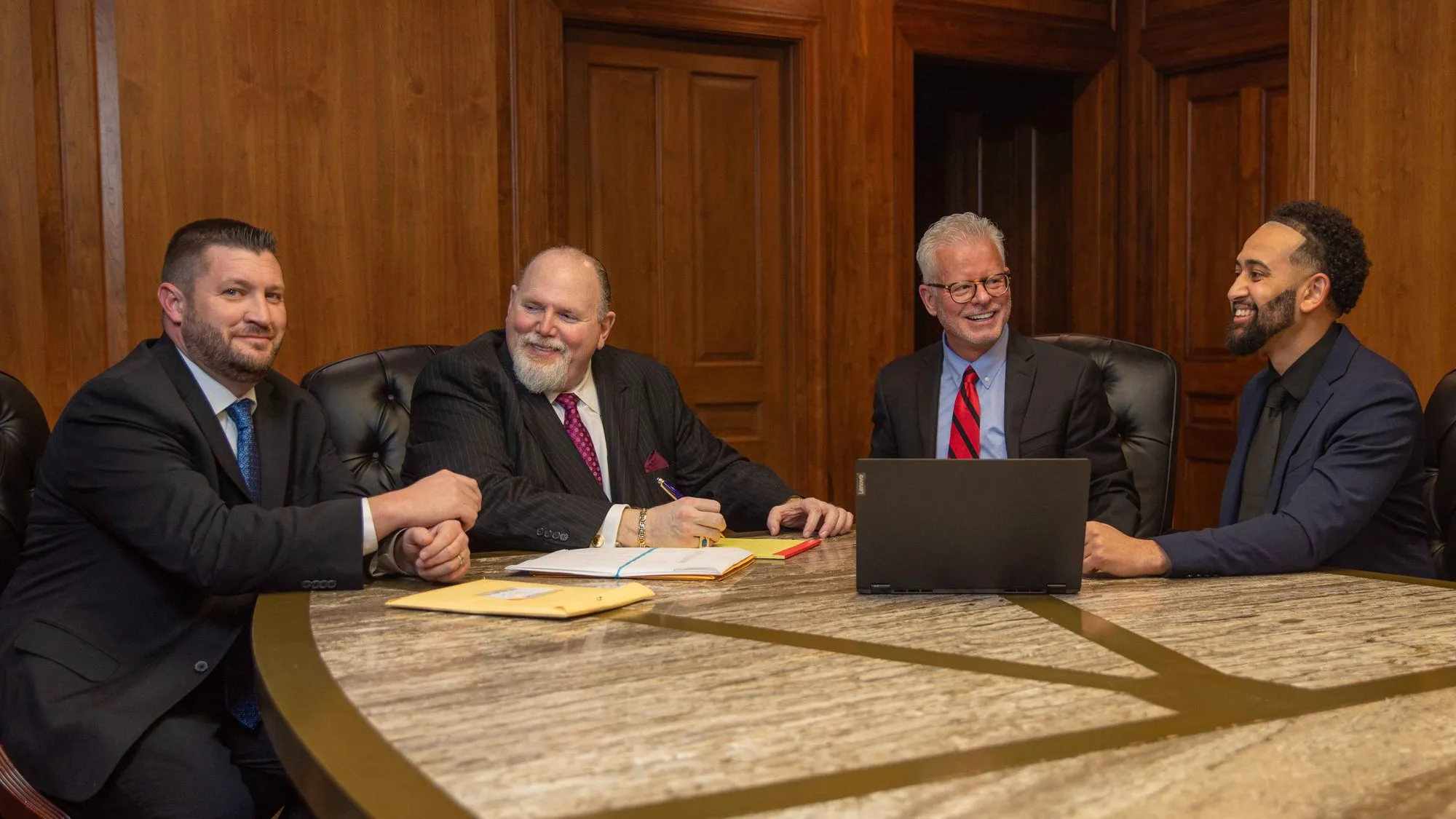
The seasoned attorneys here at Jeff Martin Law, are known for their exceptional dedication to handling dental negligence cases in Tulsa, Oklahoma, and bring forth a wealth of knowledge and experience in navigating the intricate legal landscape. With a profound understanding of the nuances involved in such cases, we provide tailored legal solutions that address the unique circumstances of each client.
When it comes to personal injury cases, our legal team’s expertise extends beyond dental negligence, encompassing a diverse range of scenarios. Through meticulous attention to detail, they meticulously examine medical records, collaborate with esteemed medical professionals, and compile compelling evidence to build a solid foundation for each case they undertake.
Moreover, Jeff Martin Law’s commitment to our clients goes beyond legal representation. We strive to ensure that every individual we assist receives the support and guidance needed to navigate the complexities of their situation effectively. By fostering strong relationships with our clients and keeping them informed at every step of the legal process, they create a sense of trust and confidence that is invaluable during challenging times.
In the realm of negotiation, Jeff Martin Law’s attorneys are known for their assertive and strategic approach. They work tirelessly to secure fair compensation for their clients, covering not only medical expenses and lost wages but also addressing the emotional toll of pain and suffering. If settlement discussions prove inconclusive, our skilled litigators are prepared to pursue the matter in court, advocating vigorously for our clients’ rights and seeking just outcomes.
Overall, Jeff Martin Law’s unwavering dedication to serving the best interests of our clients, coupled with their comprehensive legal knowledge and authoritative demeanor, establishes us as a trusted and formidable ally for individuals grappling with the complexities of dental negligence personal injury cases in Tulsa, Oklahoma.
What Is Dental Negligence, And How Does It Lead To Personal Injury Cases?
Dental negligence encompasses a range of errors or omissions made by dental professionals during the provision of dental care, resulting in harm to the patient. This form of negligence can manifest through various scenarios, such as misdiagnosis, improper treatment, surgical mistakes, or failure to manage post-treatment complications effectively.
In the context of personal injury law, dental negligence becomes a viable ground for litigation when the erroneous actions of the dental professional directly lead to physical pain, suffering, emotional distress, or financial loss for the patient.
Key to understanding dental negligence cases is the concept of ‘duty of care.’ Dental practitioners are bound by a legal obligation to adhere to a standard of care that is widely recognized by the professional community.
When this standard is breached, and harm ensues, the affected individual has the right to seek compensation for their injuries and losses. The process of establishing negligence requires thorough documentation, including detailed medical records, expert testimony, and a clear demonstration of how the dentist’s actions deviated from accepted practices.
These cases often hinge upon intricate medical details and legal principles, making them uniquely complex. It is therefore essential for individuals who believe they have been victims of dental negligence to consult with legal professionals who excel in this area. By leveraging our profound legal expertise and medical knowledge, our attorneys can assess the merits of a claim, guide our clients through the legal landscape, and advocate for your rights to fair and just compensation.
What Is The Statute Of Limitations For Dental Negligence Personal Injury Cases In Tulsa, Oklahoma?
In Tulsa, Oklahoma, individuals who believe they have been victims of dental negligence must be cognizant of the statute of limitations that applies to personal injury cases. This legal timeframe dictates the period within which a lawsuit must be filed in court following an incident of alleged negligence.
In Oklahoma, the statute of limitations for personal injury cases, including those related to dental negligence, is generally two years from the date the injury occurred or the date when the injury should have reasonably been discovered.
Victims must understand that failing to initiate legal proceedings within this two-year window can significantly impact their ability to seek justice and obtain compensation for their injuries. The statute of limitations is strictly enforced, with a few exceptions, making it crucial for affected individuals to act promptly in consulting legal professionals to preserve their rights.
Furthermore, navigating the complexities of dental negligence cases requires legal knowledge, particularly in understanding how the statute of limitations applies to various scenarios.
Experienced attorneys in dental negligence can offer invaluable advice on the specifics of filing a claim, ensuring that all procedural requirements are met within the appropriate time frames. This expertise not only aids in adhering to legal deadlines but also in preparing a compelling case that accurately reflects the extent of harm suffered by the client.
Contact Us ASAP – Our dedicated team of experienced dental negligence injury attorneys is here to help you receive the maximum compensation that you deserve. With a deep understanding of Oklahoma’s laws and a commitment to advocating for our clients, we will fight tirelessly to protect your rights and secure the best possible outcome for your case. Don’t delay, and let us help you reclaim your peace of mind.
FAQs
Victims of dental negligence in personal injury cases have the potential to recover a variety of damages, which are broadly classified into compensatory and punitive categories. Compensatory damages aim to reimburse the injured party for both economic and non-economic losses.
Economic damages encompass quantifiable financial losses, such as medical expenses incurred for additional treatment, rehabilitation costs, lost wages, and the loss of earning capacity resulting from the injury. Non-economic damages, on the other hand, cover intangible losses, including pain and suffering, emotional distress, loss of enjoyment of life, and loss of consortium.
Punitive damages, although less commonly awarded, serve a different purpose. They are intended to punish the defendant for particularly reckless or malicious conduct and to deter similar negligent behavior in the future. It's important to note that punitive damages are not linked directly to the victim's losses but are instead calculated based on the severity of the defendant's misconduct.
The specifics of what damages can be recovered will depend on the details of each case, including the extent of the injuries suffered and the impact those injuries have on the victim's life.
This underscores the importance of working with a legal professional who can build a strong case, demonstrating not only the negligence that occurred but also the full spectrum of damages that should be compensated. Skilled attorneys play a crucial role in ensuring that victims receive the full compensation they deserve for the harm they have endured due to dental negligence.
Gathering evidence is a critical step for victims of dentalnegligence, as it lays the foundation for establishing liability andquantifying damages. Initially, it is essential for victims to securecomprehensive dental records, including charts, x-rays, photographs, andtreatment plans, which document the care provided. These records can revealdiscrepancies between the standard practices and the care received, serving asa basis for negligence claims.
Furthermore, obtaining witness statements from individualswho were present during or knowledgeable about the treatment can offeradditional insights into what transpired. This can include testimonials fromdental office staff, other patients, or family members.
Expert testimony from dental professionals who specialize inthe same field as the defendant is also invaluable. These experts can providean authoritative assessment of the care provided, highlighting any deviationsfrom accepted dental practices that could have contributed to the injury.
Additionally, documenting the injury's impact on daily lifethrough journal entries or video diaries can provide compelling evidence of theemotional and physical suffering endured. Collecting receipts, bills, andemployment records can substantiate economic losses, such as medical expensesand lost wages.
In summary, a multi-faceted approach to evidence gathering, encompassingmedical records, witness and expert testimonies, and personal documentation, strengthensthe victim's position. Leveraging the expertise of legal professionalsspecializing in dental negligence is crucial in this process, ensuring thatevidence is not only thoroughly collected but also effectively presented tosupport the case.
Expert witnesses occupy a pivotal role in dental negligencepersonal injury cases, offering specialized knowledge and insights that areinstrumental in both establishing liability and elucidating the consequences ofthe negligence.
These professionals, who have extensive experience andexpertise in the dental field, conduct detailed analyses of the care providedto the victim, comparing it against the established standards within theprofession. Their assessments can prove critical in demonstrating how theactions, or lack thereof, by the dental practitioner or related entitiesdeviated from accepted practices, directly contributing to the patient's harm.
Furthermore, expert witnesses can articulate thecomplexities of dental procedures and treatments in a manner that iscomprehensible to those without medical training, including juries and judges.This aids in conveying the intricacy of the care delivered and the gravity ofthe negligence's impact on the patient. By offering this expert perspective,they not only bolster the victim's case but also assist the court inunderstanding the technical aspects of dental care involved.
In scenarios where the case revolves around defective dentalproducts, expert witnesses with a focus on dental materials or equipment canattest to the flaws in the product's design, manufacturing, or instructions,which may have led to the patient's injury. Their testimony is crucial inestablishing a direct link between the product's failure and the injurysustained, supporting claims against manufacturers under product liabilitylaws.
Overall, the involvement of expert witnesses isindispensable in navigating the complex interplay of medical facts and legalprinciples that define dental negligence personal injury cases. Their input notonly enhances the credibility of the victim's claims but also significantlyinfluences the outcome of the case, guiding the pursuit of justice andappropriate compensation for the injured party.
Yes, dental negligence can indeed result in permanent injuries or disabilities, with severe cases having life-altering consequences for the victims. Among the potential outcomes of such negligence are permanent nerve damage resulting in chronic pain or loss of sensation, significant loss of bone structure, and severe infections that can spread beyond the oral cavity, leading to systemic health issues.
Additionally, improper dental work can lead to the loss or misalignment of teeth, affecting not only the aesthetic appearance but also the functional aspects of biting and speaking, which can have a profound impact on the victim's quality of life.
Furthermore, the psychological impact of these physical disabilities cannot be understated. Victims may suffer from diminished self-esteem, anxiety, and depression due to the visible consequences of the negligence, such as disfigurement or the need for extensive corrective surgery. These emotional and psychological effects further compound the overall toll on the victim's health and well-being.
The permanency of such injuries underscores the necessity for victims to seek adequate compensation not only for their immediate medical needs but also for ongoing care and rehabilitation, psychological counseling, and adjustments to their living arrangements and employment if their disability requires it.
Legal recourse in cases of dental negligence therefore plays a crucial role in addressing both the tangible and intangible losses suffered by victims, facilitating their recovery process, and helping to restore their quality of life to the fullest extent possible.
Even if a patient has signed a waiver or consent form priorto undergoing a dental procedure, it does not entirely absolve the dentalpractitioner or facility from liability in the event of negligence.
These documents typically serve to inform the patient aboutthe risks associated with a procedure and to document the patient’sacknowledgment and acceptance of these risks. However, they are not designed toprovide legal immunity for dentists who fail to adhere to the standard of careexpected within the dental profession.
When pursuing a dental malpractice claim under thesecircumstances, it is crucial to distinguish between complications that cannaturally arise from the procedure, which were acknowledged by the consentform, and harm that resulted from negligence or substandard care. The presenceof a waiver or consent form introduces a nuanced aspect to legal proceedings,yet if it can be demonstrated that the care provided deviated from accepteddental practices, resulting in injury, the claim may still have merit.
Legal analysis of the specific language of the waiver orconsent form, along with a thorough examination of the procedural actions andthe resulting injuries, are key components in assessing the viability of amalpractice claim. It underscores the importance of consulting with legalprofessionals who are experienced in dental malpractice, as they possess theexpertise to navigate these complexities and advocate effectively on thepatient's behalf.
In essence, while a waiver or consent form may influence thedynamics of a dental malpractice case, it does not categorically eliminate thepossibility of pursuing legal action against dental practitioners orinstitutions for negligence that results in harm.
Victims of dental negligence often worry about thefeasibility of affording legal representation, given the potential costsinvolved. However, many attorneys specializing in personal injury and medicalmalpractice, including dental negligence, operate on a contingency fee basis.
This arrangement means that the client does not pay anyupfront fees; instead, the attorney's fee is contingent upon winning the caseor securing a settlement, at which point it is typically represented as apercentage of the compensation awarded.
This contingency fee model aligns the interests of theattorney with those of the client, as both parties have a vested interest inthe successful resolution of the case. It also removes financial barriers forvictims seeking justice and compensation for their injuries. Prior to engagingservices, it's crucial for victims to thoroughly discuss and understand theterms of this agreement, including any potential costs or expenses that may beincurred during the legal process.
Furthermore, some law firms might offer free initialconsultations to assess the merits of a case before agreeing to representation.This can provide invaluable insight into the viability of a claim without anyfinancial commitment from the victim.
Ultimately, this contingency arrangement and initialconsultations ensure that access to legal recourse is not exclusively limitedto those with the immediate ability to pay, thereby broadening the avenues forvictims of dental negligence to seek and obtain the justice and compensationthey deserve.