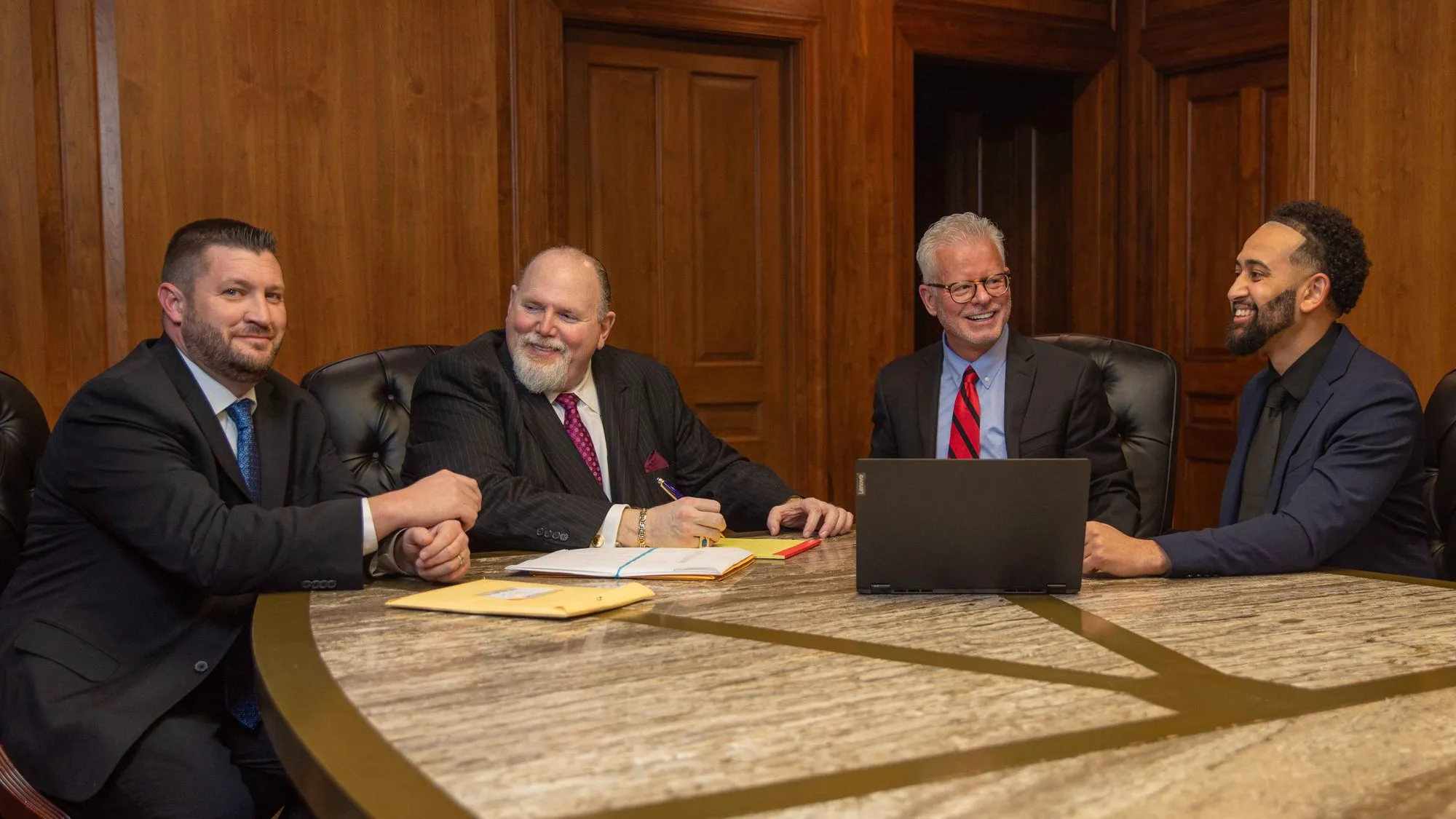
The experienced personal injury attorneys at Martin and Dirani Law are dedicated to assisting clients who are facing long-term disability insurance bad faith claims. With a deep understanding of insurance law and a track record of success, our attorneys will thoroughly investigate your case to identify any instances of bad faith practices by your insurance provider. We understand that dealing with such claims can be stressful and overwhelming, which is why we are committed to providing you with comprehensive support throughout the process.
Our team will meticulously gather evidence, including detailed medical records, communication logs, and witness statements, to build a strong case on your behalf. In addition, we will collaborate with medical experts and other professionals to ensure that all aspects of your claim are thoroughly documented and presented. We are adept at identifying the nuances of complex insurance policies and will leave no stone unturned in our pursuit of justice for you.
Our attorneys will negotiate vigorously with insurance companies to ensure that you receive the benefits you are entitled to. We understand the tactics that insurance companies often use to deny or delay claims, and we are well-prepared to counter these strategies with skill and determination. If necessary, we are prepared to take your case to court to secure a fair outcome. Our litigation team is experienced in presenting compelling arguments and will advocate tirelessly on your behalf.
At Martin and Dirani Law, we are committed to advocating for your rights and helping you navigate the complexities of your long-term disability insurance claim with confidence and ease. We believe that every client deserves personalized attention and a legal strategy tailored to their unique situation. Trust us to stand by your side and fight for the justice and benefits you deserve.
What Constitutes Bad Faith In Long Term Disability Insurance Claims?
Bad faith in long-term disability insurance claims occurs when an insurance company fails to fulfill its obligations to policyholders fairly and honestly. This breach of trust can manifest in several ways, including unjustified denials of legitimate claims, unnecessary delays in processing and paying claims, and inadequate investigations into the validity of a claim. Additionally, bad faith can involve misinterpreting the terms of the policy to avoid paying benefits or requiring excessive and irrelevant documentation from claimants as a stalling technique.
In many instances, insurance companies may also attempt to intimidate or pressure claimants into accepting lower settlements than they deserve or terminating benefits prematurely without proper justification. These unethical practices not only undermine the trust that policyholders place in their insurers but can also exacerbate the financial and emotional distress of those already dealing with debilitating health conditions. For example, a claimant might be left without the necessary funds to cover medical treatments, rehabilitation, and other essential expenses, further compounding their hardship.
Furthermore, bad faith practices can take a significant toll on a claimant’s mental health. The stress and anxiety of fighting for rightful benefits can lead to deteriorating health conditions and a diminished quality of life. This is particularly concerning for individuals who are already vulnerable due to their disabilities.
Policyholders need to recognize the signs of bad faith and seek legal assistance if they believe their insurance company is acting inappropriately. At Martin and Dirani Law, our attorneys are well-versed in identifying and combating these tactics, ensuring that our clients receive the full extent of their entitled benefits.
By holding insurance companies accountable for their actions, we strive to protect our clients’ rights and secure the financial support they need during challenging times. Our dedicated team takes the time to understand each client’s unique situation, providing personalized legal strategies to effectively advocate on their behalf.
In conclusion, recognizing and addressing bad faith in long-term disability insurance claims is crucial for protecting policyholders’ rights and ensuring they receive the support they need. If you suspect your insurance company is not acting in good faith, do not hesitate to seek professional legal advice. At Martin and Dirani Law, we are committed to fighting for justice and helping our clients navigate the complexities of their insurance claims with confidence and peace of mind.
How Can I Tell If My Long-Term Disability Claim Was Denied In Bad Faith?
Determining whether your long-term disability claim was denied in bad faith can be challenging, but there are several indicators to watch for that may suggest unethical practices by your insurance company. First, review the denial letter carefully to understand the reasons provided for the rejection. Often, bad faith denials will lack specific or legitimate justifications, relying instead on vague or generalized statements that do not directly address the evidence you provided.
A common sign of bad faith is when the insurance company fails to conduct a thorough investigation before denying your claim. This can include ignoring key medical records, dismissing statements from your healthcare providers, or not consulting with appropriate medical experts. Additionally, if your insurer consistently requests excessive documentation or imposes unreasonable deadlines that are difficult to meet, these could be tactics to stall or frustrate your claim process unfairly.
Another red flag is if the insurance company misinterprets or wrongly applies the terms of your policy. This could involve using overly narrow definitions of disability or selectively quoting policy language out of context. In some cases, insurers might even manipulate the policy terms in ways that create arbitrary barriers to obtaining benefits.
Unwarranted delays in processing your claim or a pattern of poor communication from the insurance company should also raise concerns. If you experience repeated requests for the same information, significant delays in responses to your inquiries, or lack of transparency about the status of your claim, these could be signs of bad faith.
Furthermore, if your insurance company attempts to settle your claim for significantly less than it is worth or pressures you to accept a settlement quickly without proper consideration, this might indicate an intention to avoid paying the full benefits owed to you.
In such instances, consulting with a knowledgeable attorney can help you navigate these complexities and identify if bad faith practices are at play. At Martin and Dirani Law, we offer free consultations to help you determine the validity of your claim and to provide guidance on the best course of action to ensure your rights are protected.
What Steps Should I Take If My Long-Term Disability Insurance Claim Is Denied?
If your long-term disability insurance claim is denied, taking swift and informed action is crucial. Here are some essential steps to follow:
1. Review the Denial Letter:
Carefully read the denial letter from your insurance company to understand the specific reasons for the denial. This document will provide insights into why your claim was rejected and whether any additional information is needed to support your case.
2. Gather and Organize Documentation:
Compile all related documents, including your medical records, doctor’s statements, treatment plans, and any communication you’ve had with your insurance company. This comprehensive documentation will be vital for building a strong case to challenge the denial.
3. Consult with Your Healthcare Providers:
Discuss the denial with your doctors and other healthcare providers to ensure you have a clear understanding of your medical condition and its impact on your ability to work. Request any necessary additional documentation or clarifications that could support your appeal.
4. Review Your Policy:
Thoroughly review your long-term disability insurance policy to understand its terms and conditions. Pay close attention to definitions of disability, coverage limitations, and the procedures for filing an appeal.
5. File an Appeal:
Most insurance policies have an appeals process for denied claims. Follow the instructions in the denial letter to file a formal appeal within the specified timeframe. Make sure to include any additional information that addresses the reasons for the denial and supports your claim.
6. Seek Legal Assistance:
Consider consulting with an attorney who specializes in long-term disability insurance claims. A knowledgeable lawyer can help you navigate the appeals process, identify any bad faith practices, and ensure your rights are protected. At Martin and Dirani Law, we can provide expert advice and representation to help you secure the benefits you deserve.
7. Stay Informed and Proactive:
Throughout the process, stay informed about your claim’s status and proactively follow up with your insurance company. Keep detailed records of all communications and be persistent in seeking answers and updates.
By taking these steps, you can effectively challenge a denial and work towards obtaining the long-term disability benefits you are entitled to. Remember, you don’t have to navigate this process alone; professional legal support can make a significant difference in the outcome of your claim.
Frequently Asked Questions
Yes, you can sue your long-term disability insurance company for bad faith in Oklahoma. Bad faith occurs when an insurance company unreasonably denies or delays the payment of a legitimate claim. This can happen for various reasons, such as the insurer's failure to conduct a thorough investigation, misinterpreting policy language, or even intentionally stalling the claim process to frustrate the policyholder into abandoning the claim.
In Oklahoma, if you prove that your insurance company acted in bad faith, you may be entitled to not only the benefits denied but also additional damages. These damages can include compensation for emotional distress, attorney's fees, and even punitive damages aimed at punishing the insurer for their conduct.
To succeed in a bad faith lawsuit, you will need to demonstrate that the insurance company had no reasonable basis for denying your claim or failing to investigate it properly. This might involve showing that the company ignored clear evidence supporting your claim, refused to communicate with you, or used deceptive practices.
Hiring an experienced attorney who specializes in insurance bad faith cases is crucial to navigating this complex area of law. They can help gather evidence, interview witnesses, and build a compelling case on your behalf. An attorney can also guide you through the legal procedures, ensuring that all necessary documentation is filed correctly and on time.
Remember, each bad faith case is unique, and the specifics of your situation will influence the strategy and potential outcomes. Factors such as the nature of your disability, the terms of your insurance policy, and the actions of the insurance company will all play a role in your case.
If you believe you have been the victim of bad faith practices, do not hesitate to seek legal advice as soon as possible. At Martin and Dirani Law, we are dedicated to helping you hold your insurance company accountable and ensuring that you receive the full benefits you deserve. Our team is committed to fighting for your rights and providing the support you need throughout this challenging process.
If you win a bad faith lawsuit for a long-term disability claim, the compensation you might receive can be substantial and multifaceted. The potential compensation typically includes:
- Policy Benefits: The primary compensation will be the payment of the long-term disability benefits that were originally denied. This ensures that you receive the financial support you were entitled to under your insurance policy.
- Interest on Delayed Payments: You may be awarded interest on the benefits that were wrongfully withheld, calculated from the date the benefits were due until the date they are paid. This compensates for the time you were without the necessary funds.
- Emotional Distress Damages: Courts often recognize the emotional toll that a bad faith denial can take. You could receive damages for mental anguish, stress, and anxiety experienced due to the wrongful denial of your claim.
- Attorneys’ Fees and Costs: Winning a bad faith lawsuit may entitle you to reimbursement for the legal fees and costs incurred in pursuing your claim. This ensures that you do not bear the financial burden of seeking justice.
- Punitive Damages: In cases where the insurance company's conduct is particularly egregious, the court may award punitive damages. These are designed to punish the insurer for their misconduct and deter similar actions in the future.
- Other Economic Damages: If the wrongful denial of your claim caused additional financial losses, such as loss of property, medical expenses, or other out-of-pocket costs, you may be compensated for these damages as well.
Each case is unique, and the specific compensation you receive will depend on the details of your situation and the evidence presented. Winning a bad faith lawsuit not only provides financial relief but can also hold the insurance company accountable for their actions, promoting better practices within the industry.
At Martin and Dirani Law, we are committed to fighting for your rights and ensuring you receive the full compensation you deserve. Our experienced legal team will guide you through every step of the process, providing the support and expertise needed to achieve a favorable outcome.